
We started the day by eating breakfast at Martha’s Kitchen for the second morning in a row, which is just a few steps away from our hotel. This morning we were able to see San Ignacio looking a bit more lively and full of people. Sunday and Monday had been holidays, so most stores were closed and there were not many people out on the streets before today. It was nice to see the town a little busier and get a better sense of everyday life there.
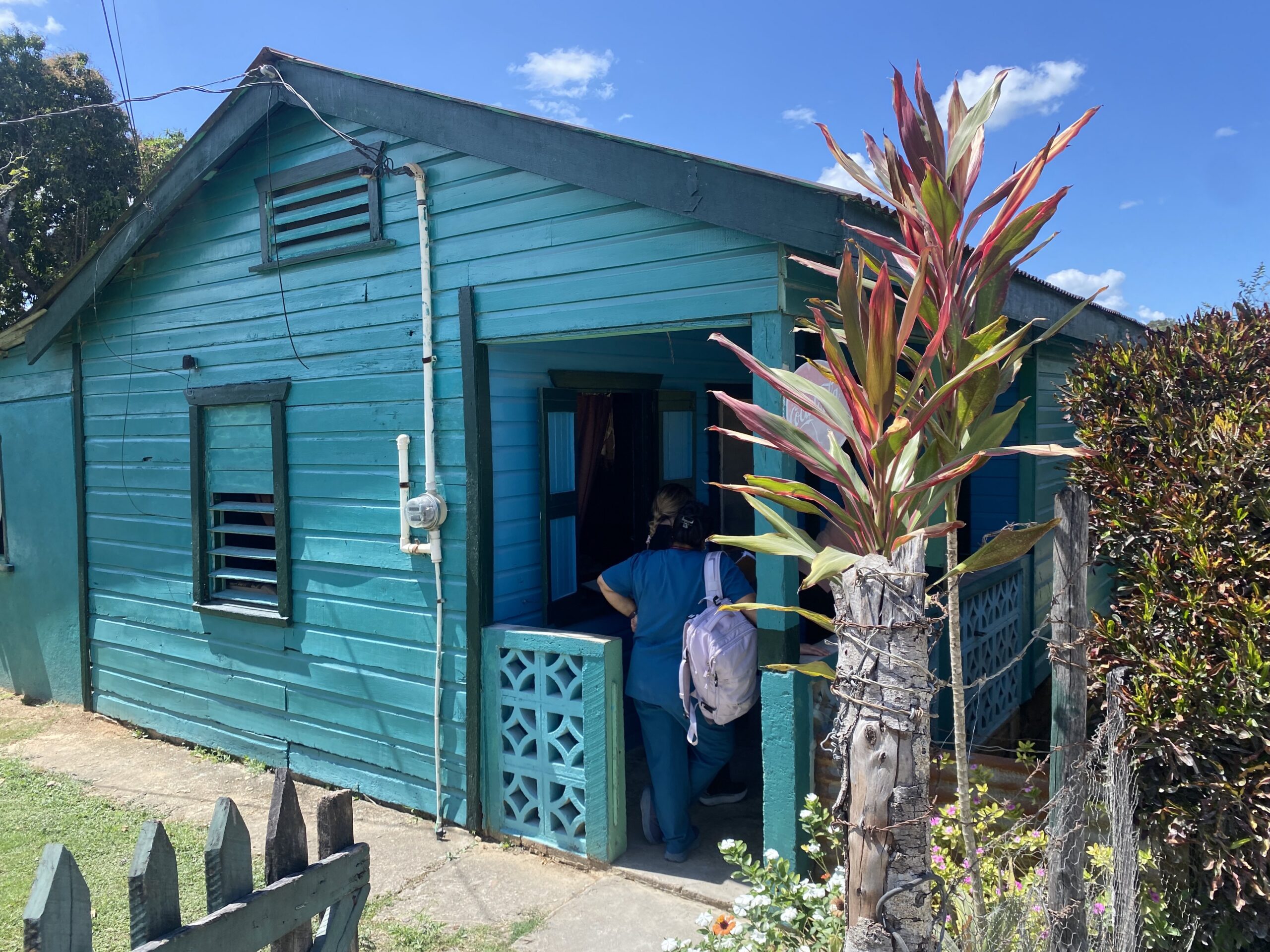
After breakfast, we began preparing for the day ahead since we would be making home visits with a community healthcare worker named Susan. Aide and Orlando picked us up, and we made our way to the village where we met up with Susan and were dropped off at our starting point. We were graciously given the opportunity to shadow her through each visit with patients, and we were even able to practice some hands-on health screening tests. Some of the assessments we helped with included checking glucose levels, blood pressure, and temperature, among others.
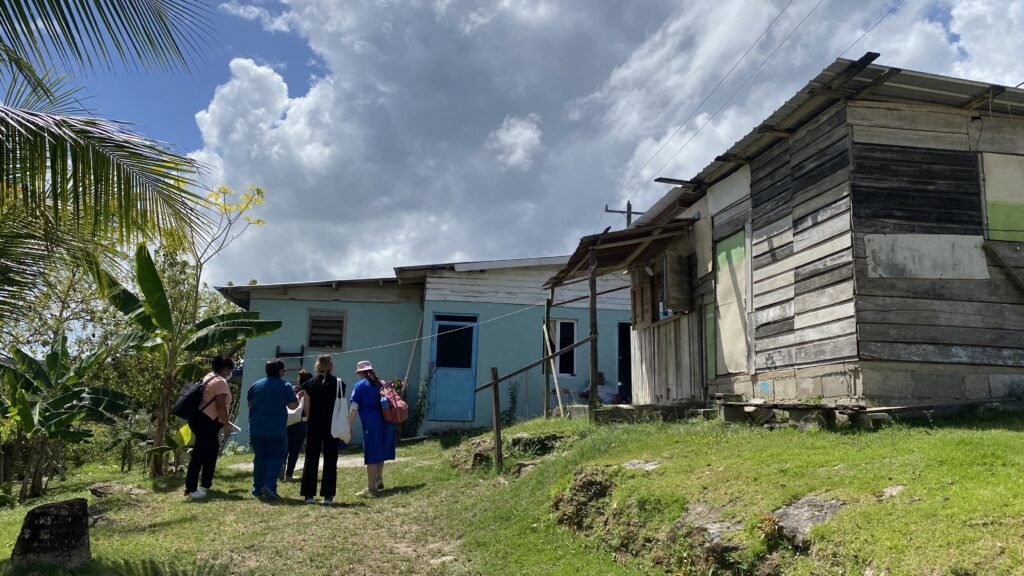
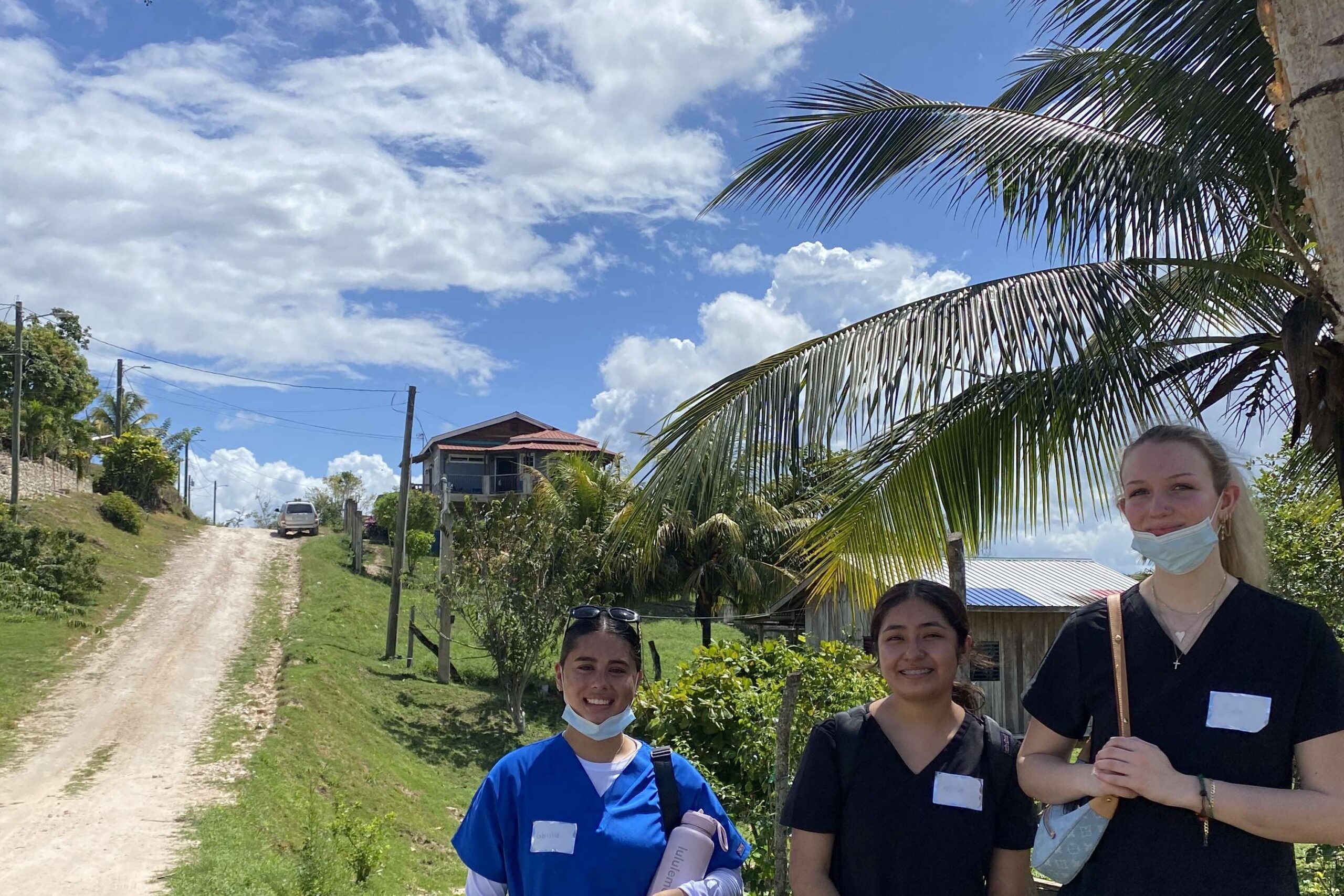
Through these assessments, as well as simply talking with the patients, we were able to gain a whole new perspective on how healthcare is approached in a different country. We also saw firsthand the living conditions of some of the residents and how that shapes their day-to-day lives in the village. It was eye-opening to see how some populations have very limited access to healthcare, and how some people even feel resigned to let their disease progress because of how difficult it would be to try to treat it with such limited income and access to care. Despite the fact that some patients were resistant to assessments, education, or referrals, everyone was very friendly and welcoming to our presence. It was really lovely to meet and get to know some of the locals.
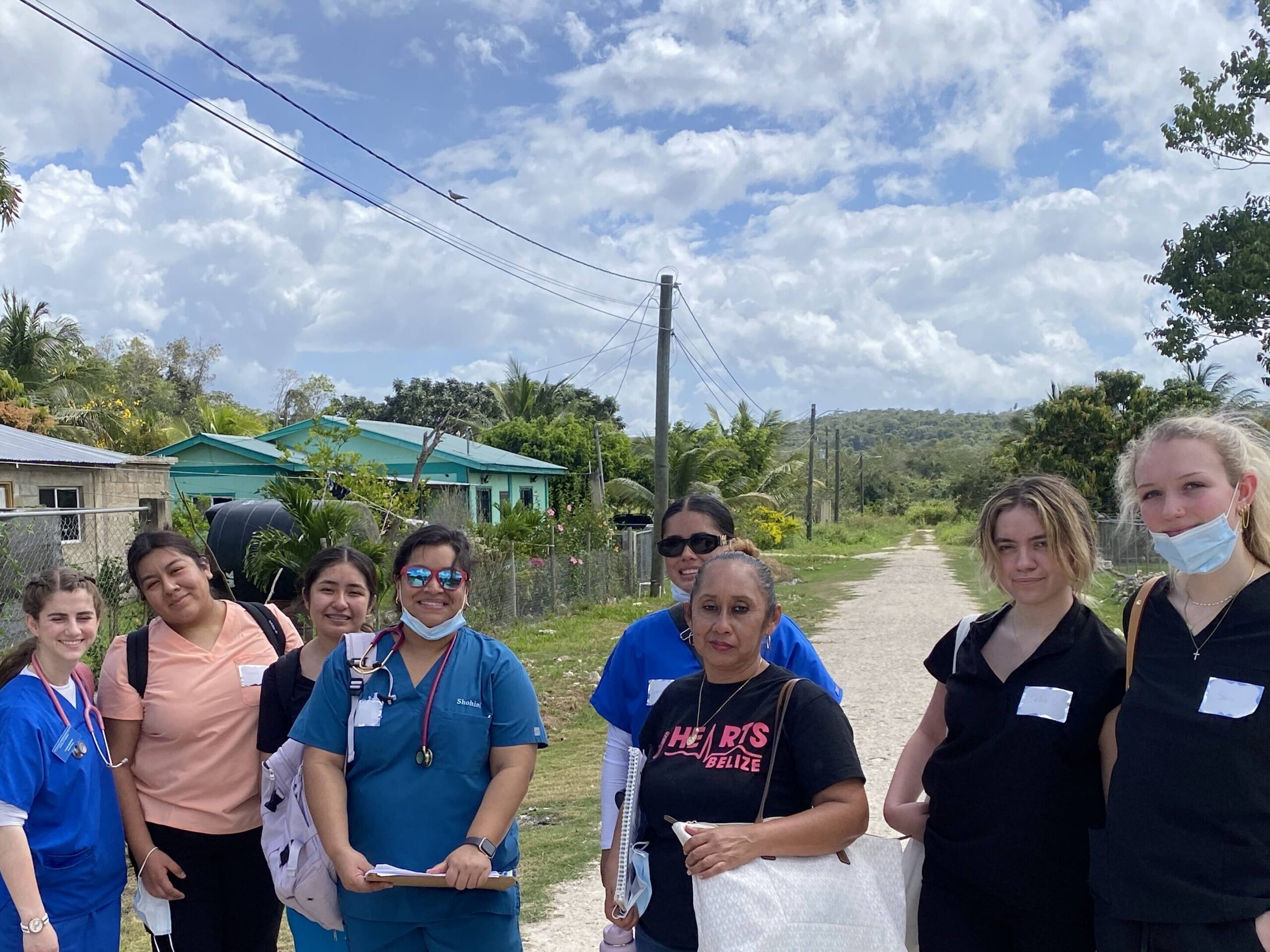
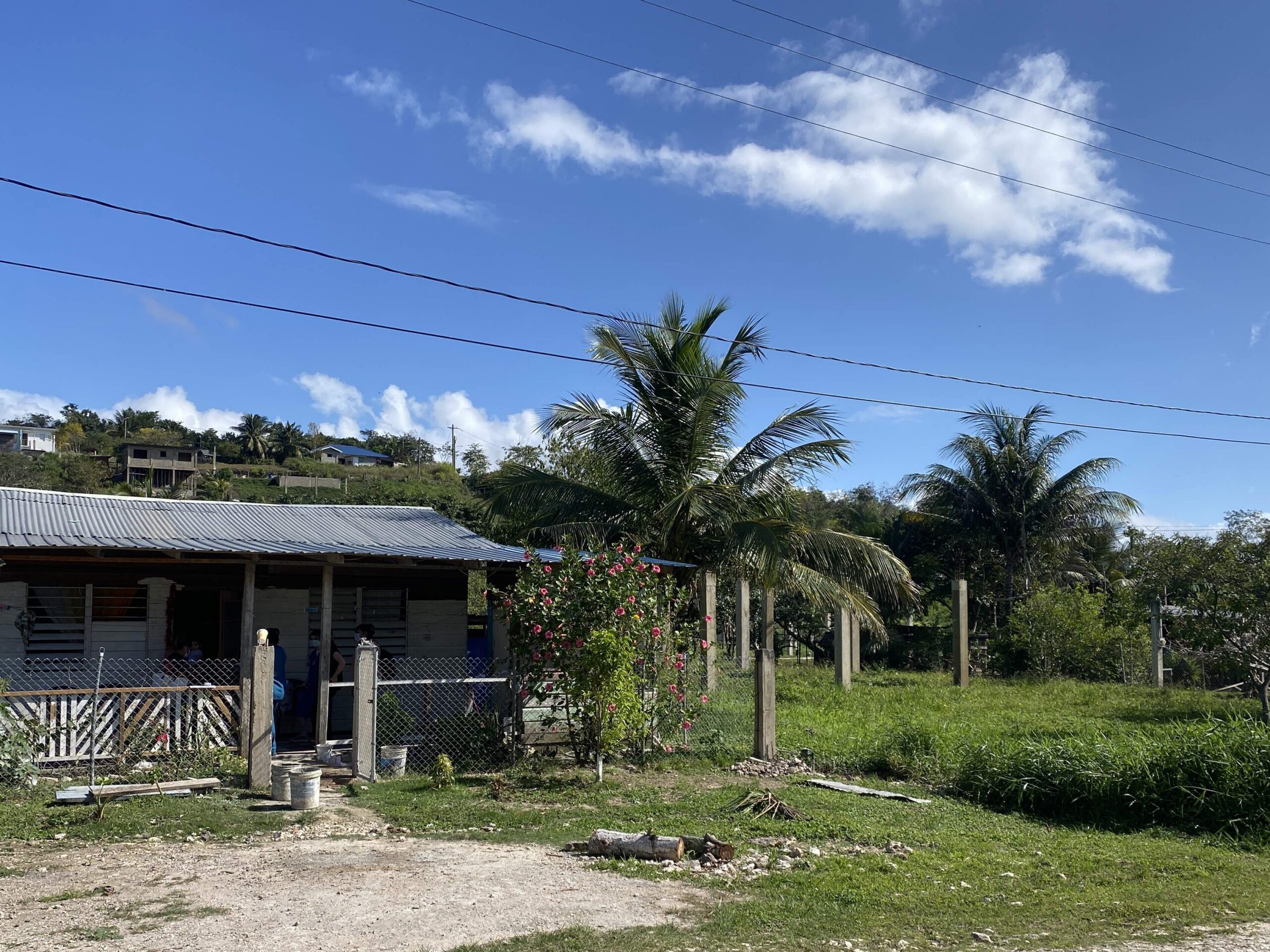
We did home visits for about four hours before stopping for lunch at a restaurant called Benny’s Kitchen for the second day in a row. The local foods there are excellent. After lunch, we continued doing healthcare visits for another hour and a half before heading back to the hotel to freshen up and unwind for a bit.
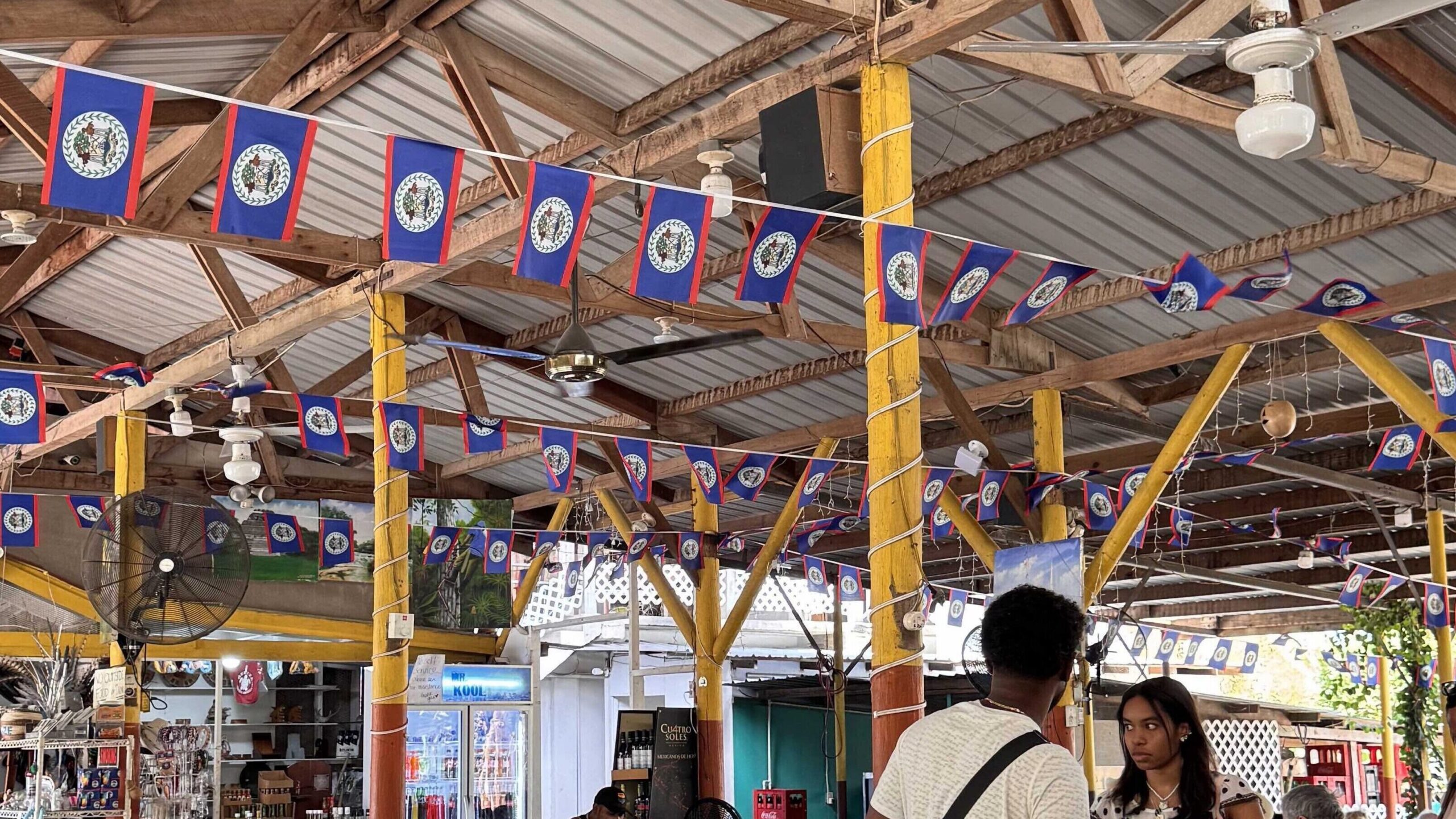
Even though Susan’s training is not as extensive as that of a nurse, her role in the community is essential. She helps bridge the gap between the local population and the clinics or hospitals by identifying early symptoms of disease and making sure patients receive education about their health. During many of the visits, she was educating people about Dengue fever, a viral disease transmitted by mosquitoes that is very prevalent in Belize. She explained that although symptoms can sometimes appear mild or flu-like, it is still important to seek care if something feels out of the ordinary because dengue can sometimes lead to much more serious complications.
Susan shared that she has been doing this work for about ten years and has built strong relationships with many people in the community, including some patients who were initially very resistant to what they viewed as “Western” medicine. It was clear that the trust she has developed over time plays a big role in helping people feel more comfortable seeking care and listening to health education.
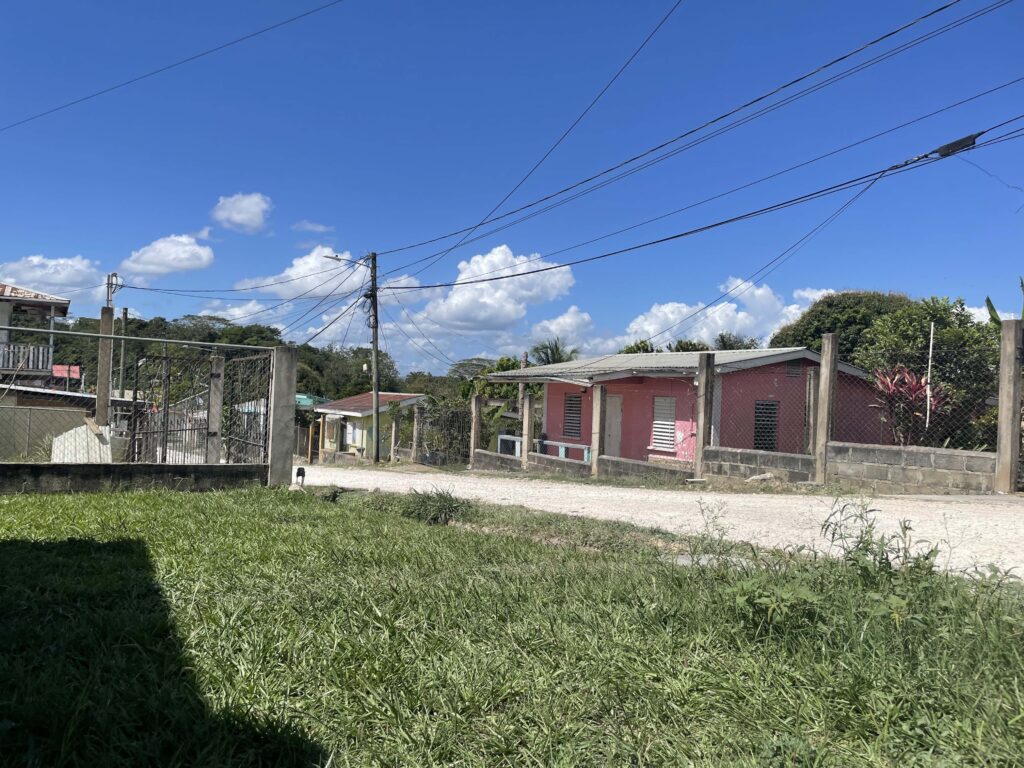
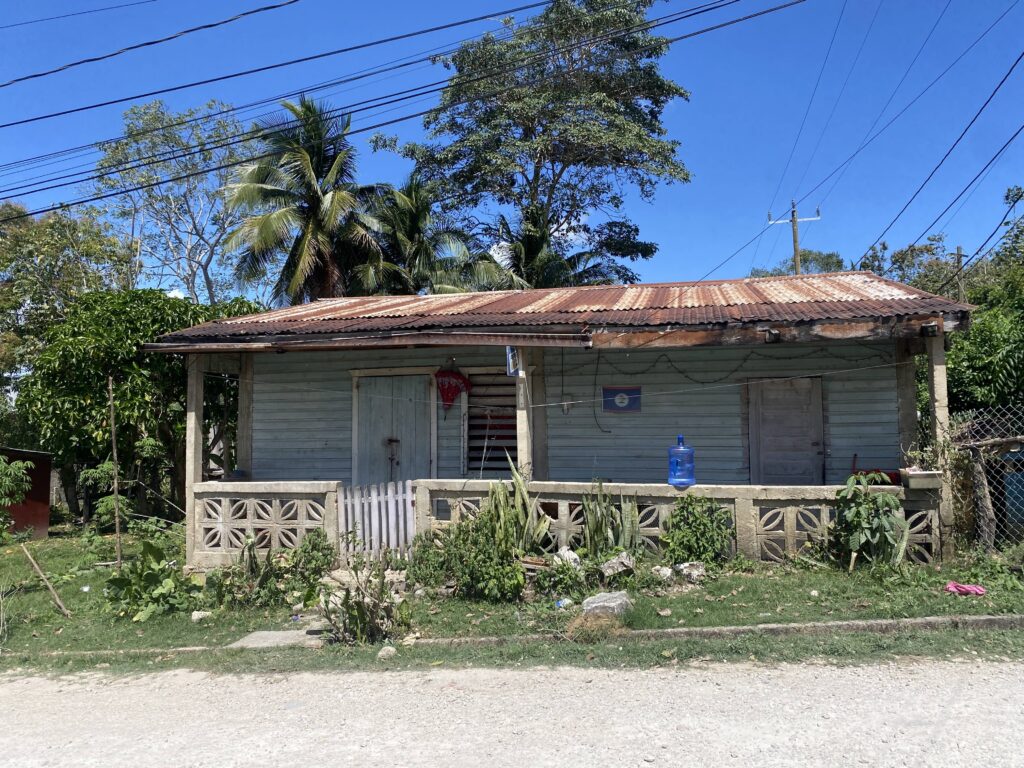
During our break later in the afternoon, some of us walked over to the local market where we were able to see some of the goods being sold there, including fresh produce, clothing, souvenirs, and other items. After our free time, we met on the rooftop of the hotel to debrief and share our thoughts and questions about the experience. While we were there, Dr. Holden also showed us how to take blood pressure manually. It is an important skill to have and one that will be very useful throughout the rest of our trip.
Later in the evening, we met at the CELA headquarters to hear a presentation from Dr. Manzanero, an internal medicine physician who also served as the head of the National Health Insurance program during COVID-19. According to Aide, he did an incredible job during that time educating the population and helping create policies that supported public health. During his presentation, he explained how the country’s population size, geography, and available resources all affect the healthcare system and what is currently being done to address some of the challenges that exist because the demand is so much greater than supply.
It was truly a privilege to hear from him, not only because of his busy schedule but also because of his knowledge, broad understanding of the system, and his belief that “healthcare is to help people and have empathy for them, not to make money.” One part of the discussion that was especially eye-opening was when he talked about how limited resources sometimes require difficult ethical decisions. For example, if there is only one pacemaker available, who should receive it? Do you give it to a 65-year-old with children and grandchildren, or to a 24-year-old who is single? These are the kinds of decisions that someone has to make regularly because the demand for healthcare resources is much greater than what the country is able to supply.
He also helped clarify why dengue is such a serious issue. He explained that it is not uncommon for someone to have no symptoms the first time they contract dengue. The real danger often comes the second time someone is infected. There are four different strains of the virus, and if a person contracts a different strain later on, the immune system can overreact and cause severe inflammation, which can become very dangerous.
Overall, it was an enlightening presentation and very helpful for giving us a deeper understanding of the healthcare challenges in Belize and how they are being addressed. After the presentation, we were dropped off back at the hotel for the evening where we had supper and wrapped up the day.
It was a full and meaningful day, and we’re so excited to see what tomorrow will bring!