

Sophia Raimondi – “I found it interesting that they were learning mostly in Spanish, but also used some English while learning. I was most shocked that they even used some English while learning. It made me curious, why would learning multiple languages be beneficial for them if their country is mostly a Spanish-speaking country? It later dawned on me that for circumstances such as these, study abroad experiences, it could be helpful to learn both English as well as having Spanish as their top language. “
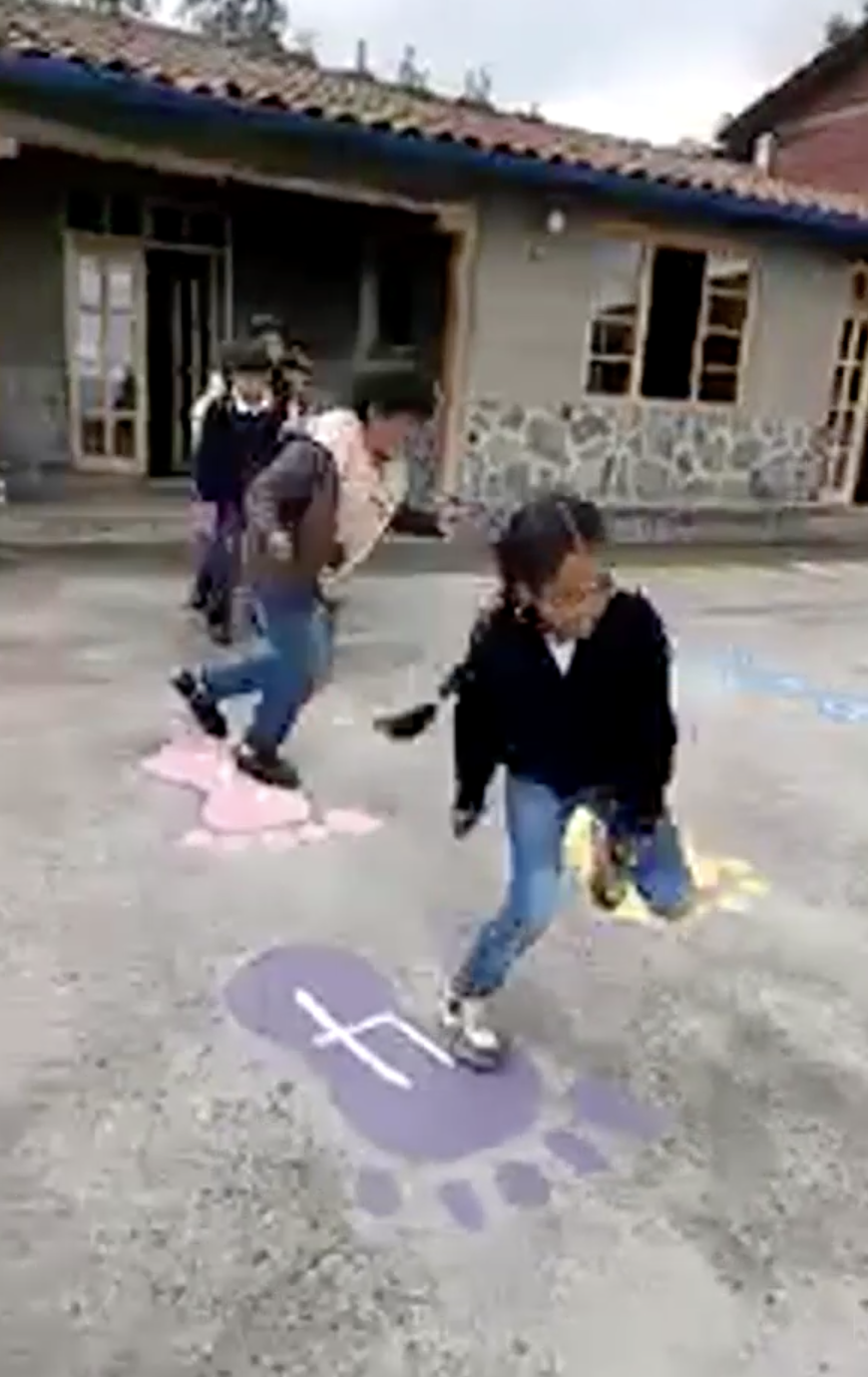
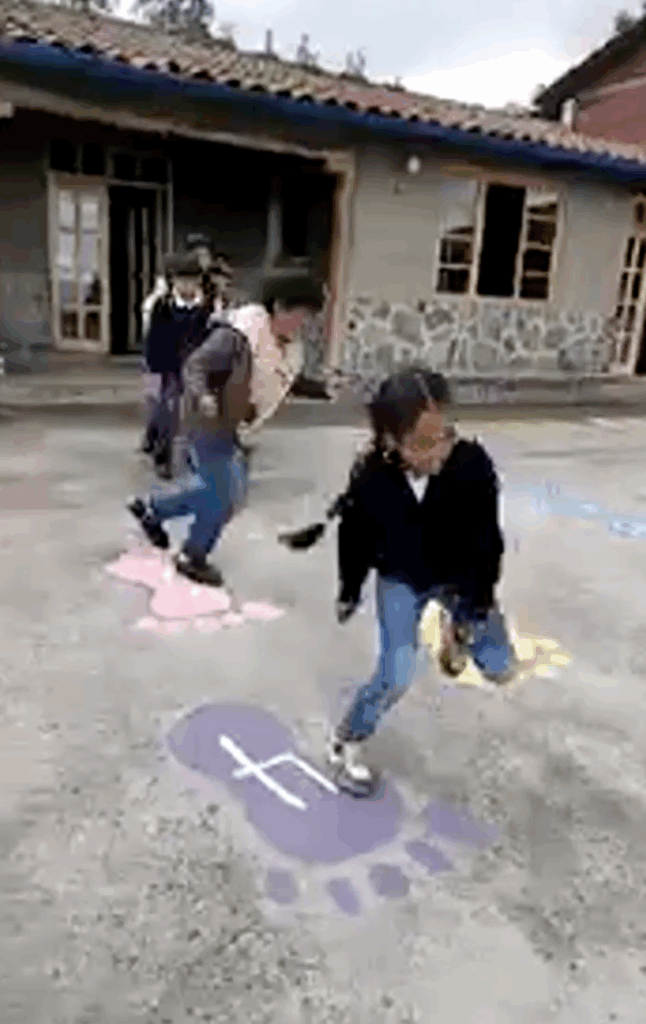
“I couldn’t clearly hear the name of the traditional game the kids were playing, but I found that to be very interesting because it reminded me of hopscotch. They are both played on concrete, have colorful circles/boxes/ and you will jump to the next circle/box. These two games seemed very similar and made me happy to see that kids still enjoy playing hopscotch. In the United States, kids generally enjoy playing on their tablets and phones more than playing outside, doing silly games such as the traditional game that was shown in the video. “
Jaden Garret – “Today, we visited a Kichwa school in the mountainous region of Ecuador, where we learned about the subjects studied, how the grade levels for students are organized, and some of the daily routines for the students. I was surprised to learn how the grade levels were different than those in the United States. Previously, I used to think that all schools around the world followed the same levels of education. In Ecuador, students spend their first few years at local schools in the mountains, then move to the city for further education. Additionally, it was interesting to learn that students are taught a mix of the Kichwa and Spanish languages. I noticed how the students spoke both languages with such fluency. Furthermore, we learned about the traditional game played during recess called “Rayuela” which reminded me of hopscotch. Afterwards, we learned parts of the Kichwa language and how to count from 1-10 in the language. The words were a bit challenging to pronounce at first, but with a few tries, I was able to master this task. Kichwa is also the first language of many of the locals of this part of Ecuador.”
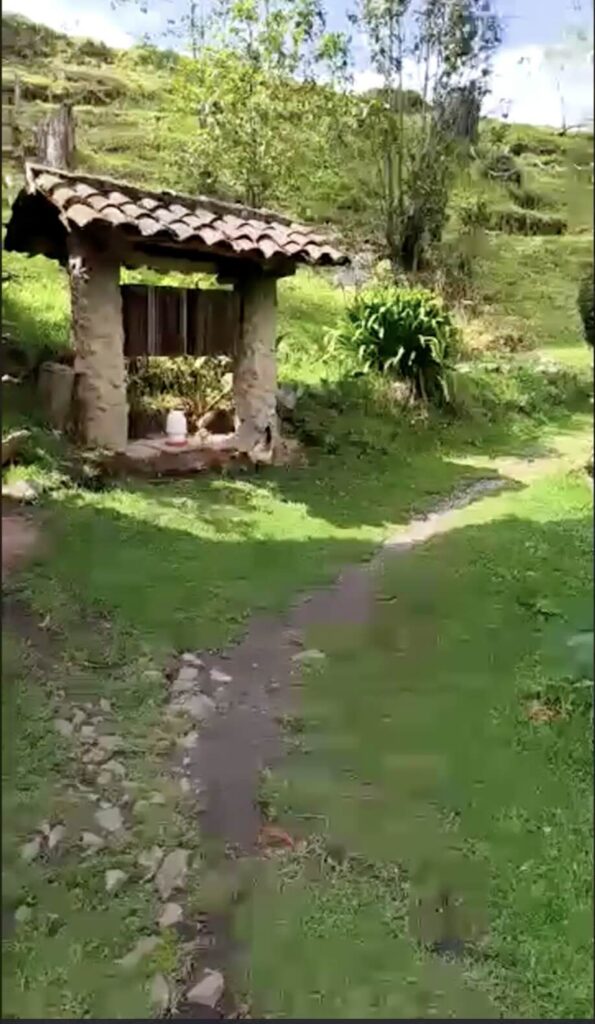
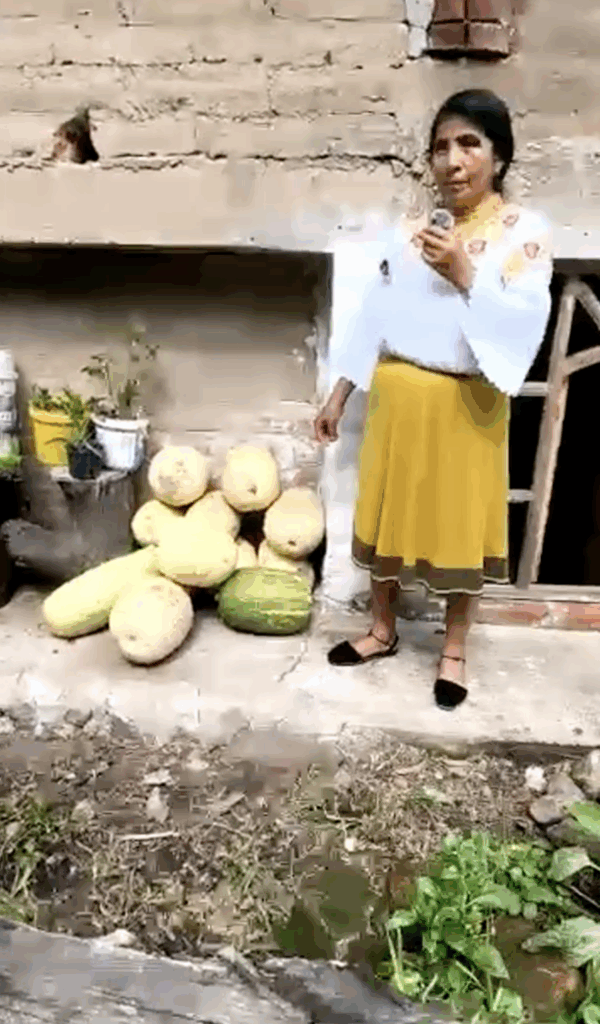
“We were then taken to an eco-tourist destination in San Clemente, where our host gave us a tour of the house and the surrounding lands. It was really fascinating to learn about what was being done on the property to promote eco-tourism and conserve the environment. They showed us some of the plants and animals being raised and explained to us the agrarian lifestyle of the community. This experience has shown me why it is important to preserve the environment, and I strongly believe that eco-tourism is a solution to help tourists become aware of this issue. I had a really great time learning about the education and eco-tourism of this part of Ecuador, and I hope to learn more during the rest of this journey.”
John Indjeian – “Thursday was fun, seeing how Ecuadorian children go to school reminded me of an old-fashioned school, similar to how I used to attend Kindergarten back in 2000. The combination of Spanish and Kichwa that the children used was impressive, as I assumed they would only be speaking Kichwa (I’ll have to work on my own Kichwa, lol). America did a great job with the tour; she would do well in tourism someday, or perhaps a career here in the US.”
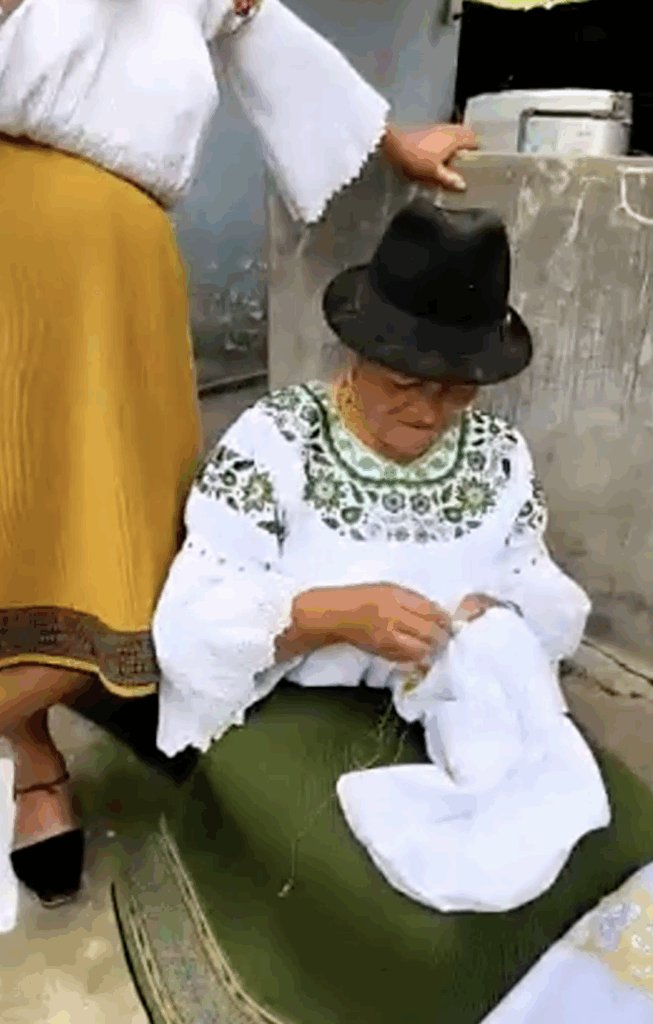
Megan Damico – “We went to school, learned the language, and learned about the tourists. The school system was extremely interesting for many reasons. Once the children end up learning Spanish, English, and Kichwa. The location we are in, the mountains, is beautiful. The clothing is beautiful. The people speak English really good. The children showed us the games they play. I like how the children are included in the tradition. Also, I like how they treat tourists like family. Also, the fact that they wear hats to cover their head. “