
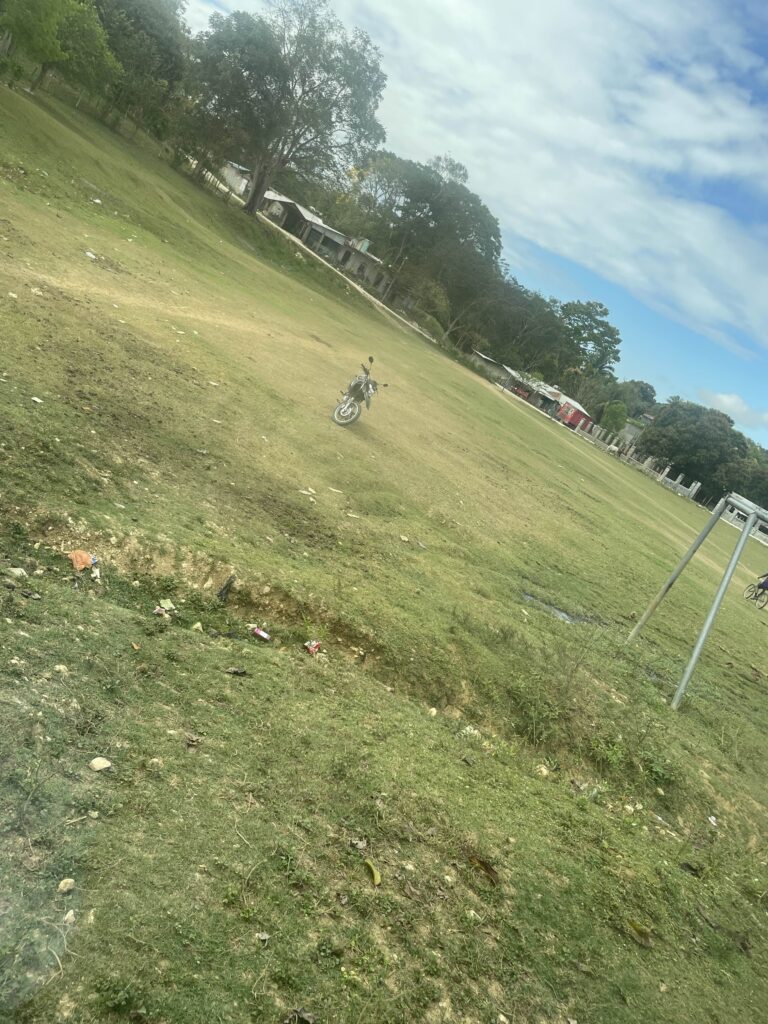
We started the morning as usual with breakfast at Martha’s Kitchen before heading out for the day. Our destination was the village of Arenal, which sits directly on the border between Belize and Guatemala and is where Aide is from. The border is incredibly close; we were even able to see soldiers doing border patrol nearby, and there is a soccer field that actually marks the border between the two countries.
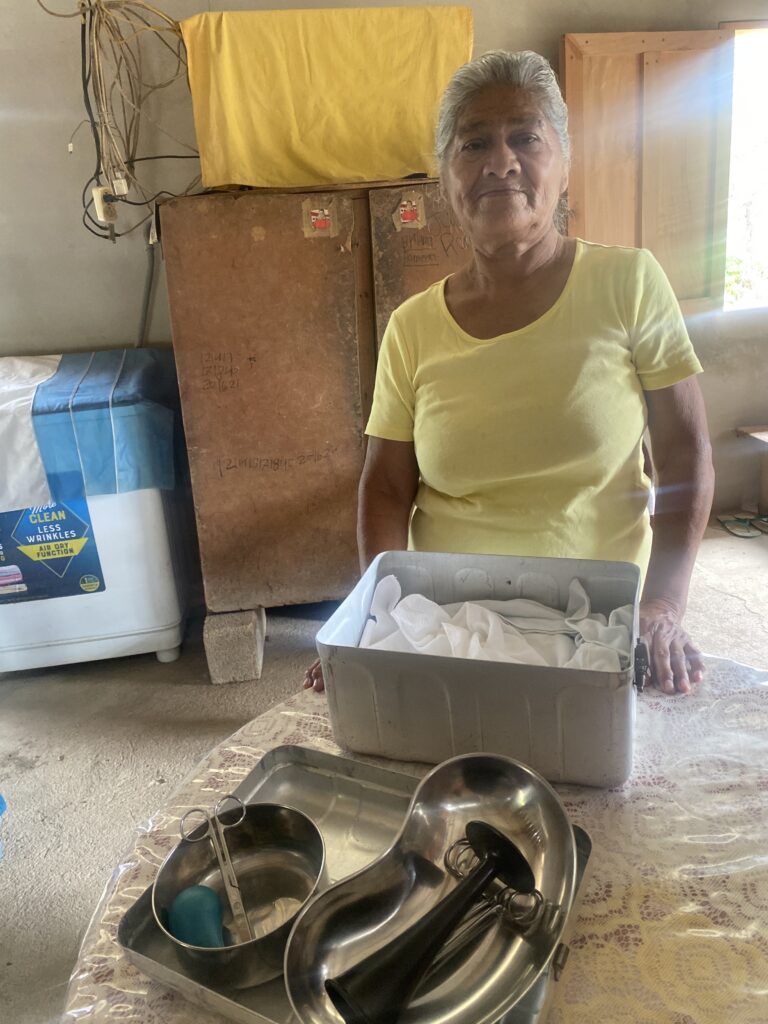
Once we arrived, we had the opportunity to meet with a traditional midwife named Juanita. Midwifery runs in her family, as both her mother and grandmother were also midwives. She began practicing when she was 27 years old and is now 72. She shared that at the busiest point in her career she would often move from one birth directly to the next. Over the years, however, fewer families have been coming to her as more people now choose to go to hospitals for deliveries. Because of this shift, she currently attends only about four births per year.
Juanita explained that she assists families on both sides of the border and often travels to the Guatemalan side of the village as well. One of the stories she shared was about helping a mother deliver 21 children over the years. She also told us that she eventually became officially certified as a midwife so that she could provide birth certificates, although the certification mostly served to formally document that she was qualified to practice. Nearly all of her knowledge and training originally came from learning within the village and from previous generations.
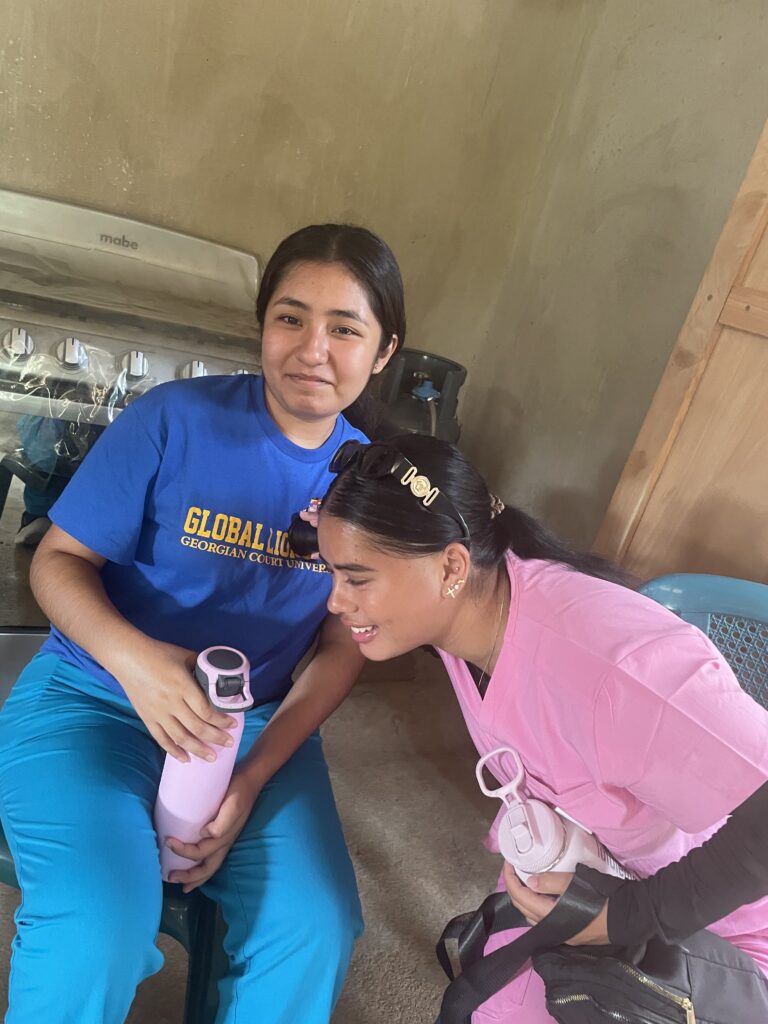
She showed us some of the tools she uses and even allowed us to try the instrument she uses to listen to a baby’s heartbeat. One of the biggest takeaways from her experience was her belief in the body’s natural ability to manage childbirth without many medical interventions. When asked about techniques she uses during labor, she explained that she often encourages mothers to walk while they are in labor and otherwise allows the process to unfold naturally. She does not typically provide prenatal care unless something unusual arises, does not use special labor techniques, and does not perform stitching for tears afterward. In her experience, she believes the body is capable of doing much of the work on its own. During all the years she has practiced as a midwife, she shared that she has only delivered one stillborn and has had relatively few complications overall. In cases where complications do occur, she refers the mother to a hospital.
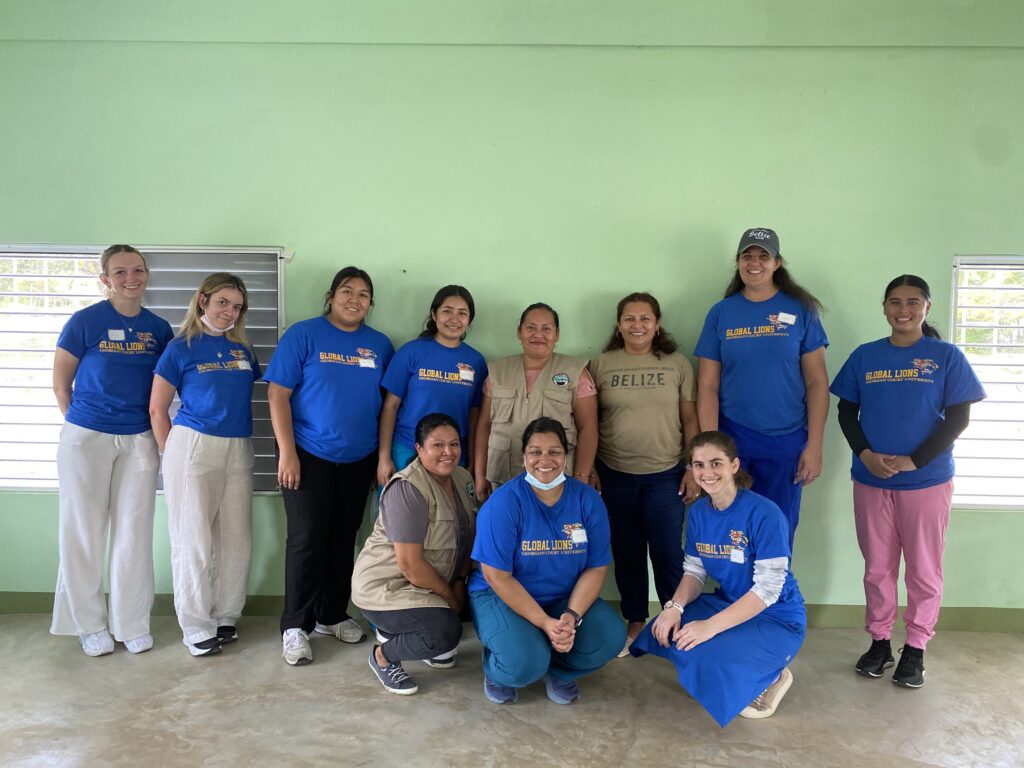
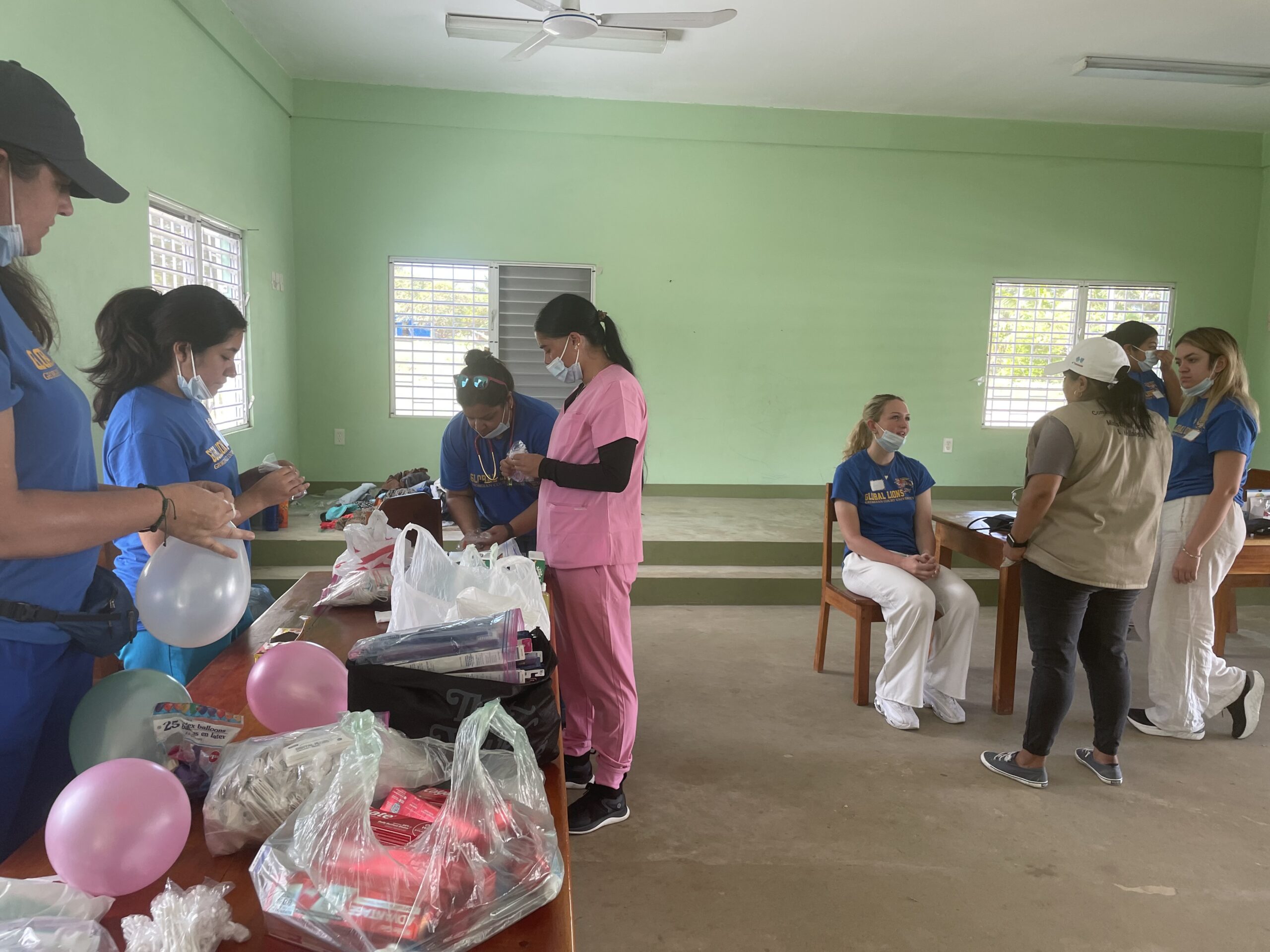
After speaking with Juanita, we moved over to the community center where we met Paulina and Marilyn, the healthcare workers who regularly visit the village. We set up two stations—one for health screenings and another for distributing donations. When we arrived, some people were already waiting outside.
At the health station we collected basic information and measured blood pressure, temperature, and glucose levels. After completing the screenings, community members moved to the donations table where Perly and Laura shared a pamphlet about mental health in connection with physical wellbeing. The information was presented in a culturally sensitive way, since discussions about mental health are often better received when framed as overall wellbeing rather than strictly as mental illness. Each person was also given items such as soap, toothbrushes, toothpaste, medications, children’s vitamins, and other helpful supplies.
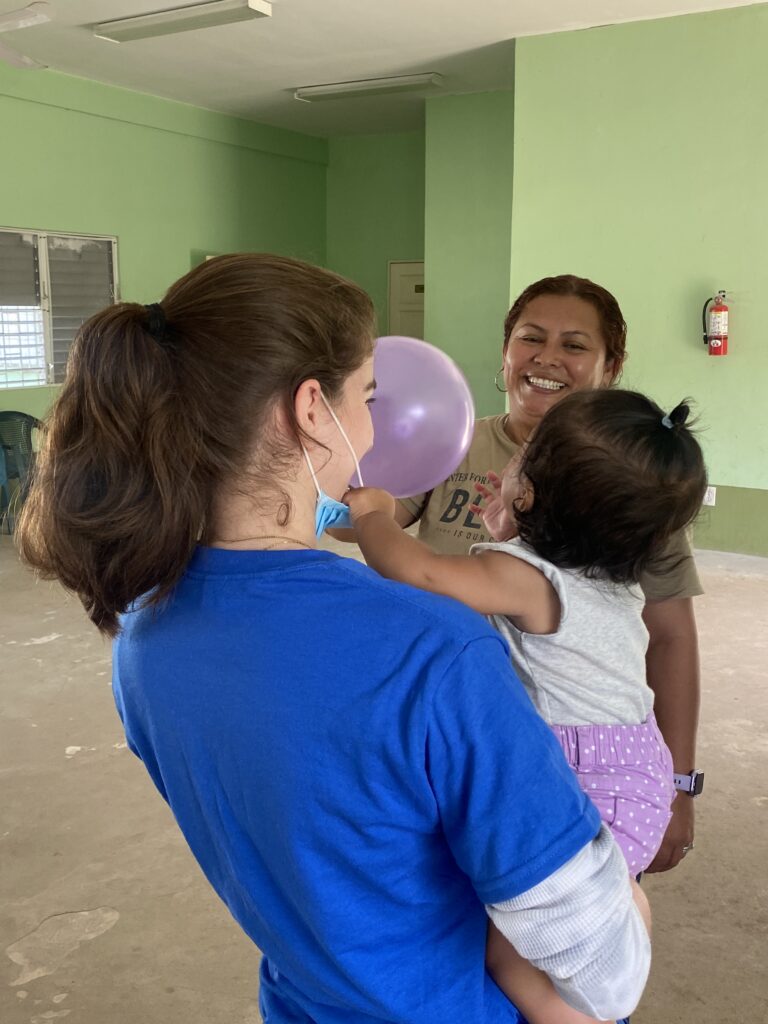
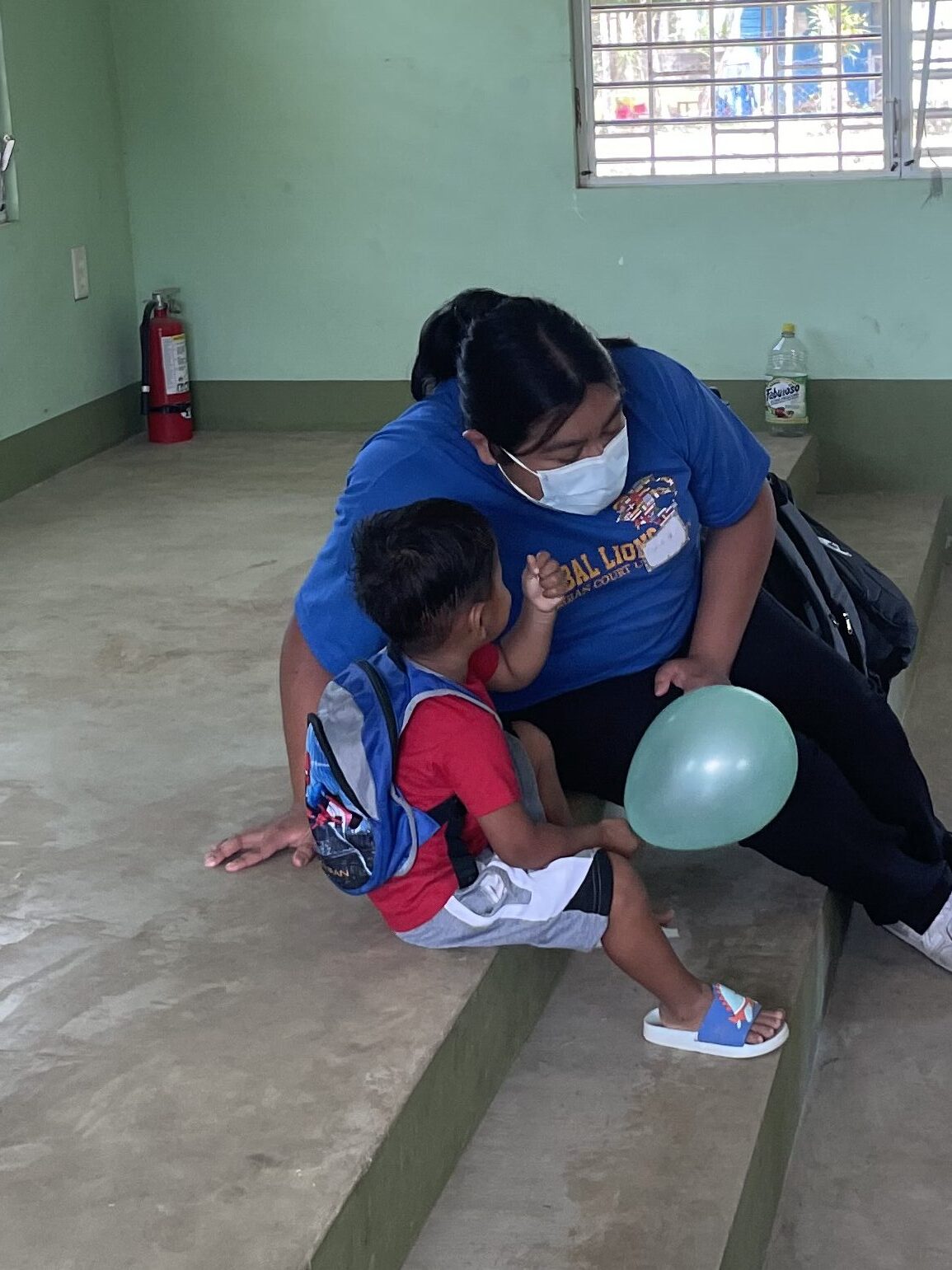
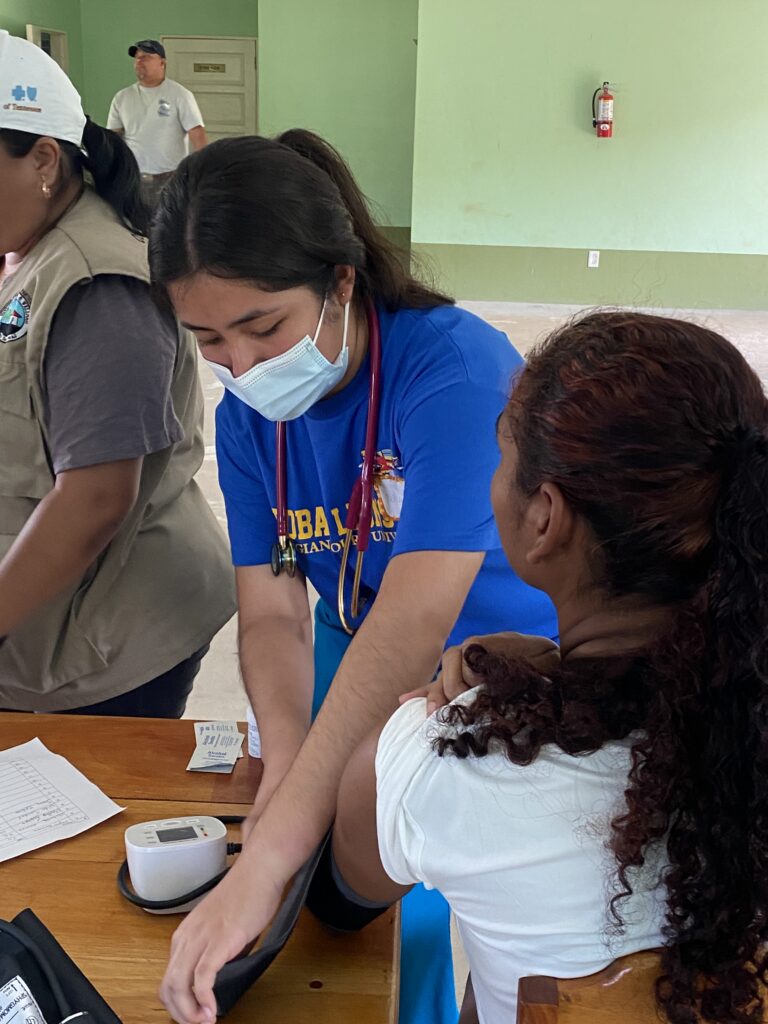
We continued working until everyone who had come was seen, and then we paused for lunch, where we ate a meal prepared by Aide’s mom. Afterward, a few more community members arrived, and by that point we had already distributed most of the donations. One situation that stood out was when a man—the only one we saw that day—came in with extremely high blood glucose levels that suggested he likely has diabetes. It seemed that this may have been the first time he was confronting this possibility, which made the information about overall health and wellbeing especially important.
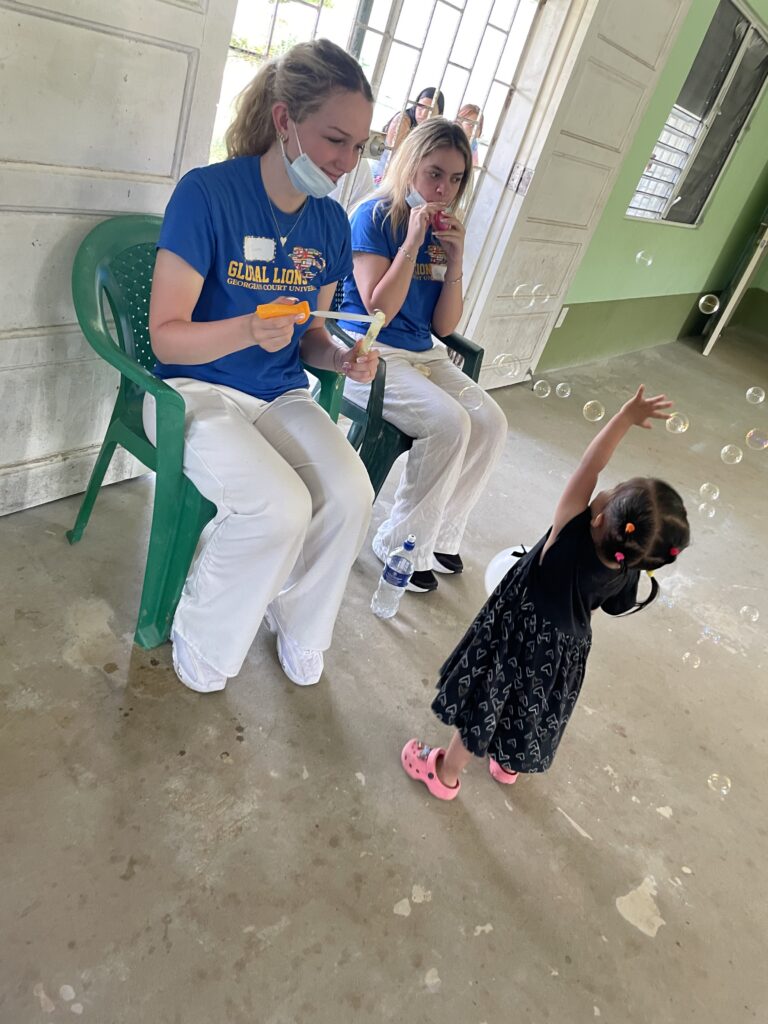
Being able to help Aide’s home community made the experience feel even more meaningful, particularly since some of the families clearly appreciated the support. One memorable moment was when a new mother who was six weeks postpartum walked from the Guatemalan side of the village with her baby just to come see us.
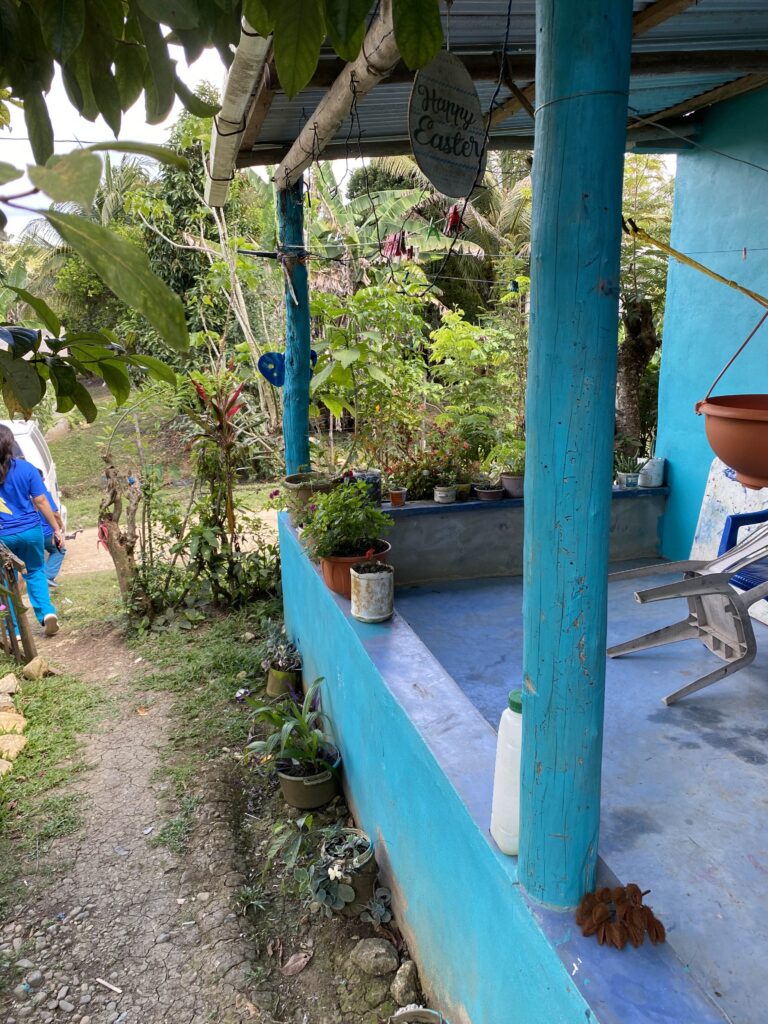
We finished earlier than expected and helped clean up the space before dropping off the pots by Aide’s mom and heading back to the hotel. Once we returned, we had a group debrief where everyone shared some of their takeaways and highlights from the trip. After that, the rest of the evening was free. The group later had dinner together and even enjoyed some karaoke.
It was a very rewarding day. Spending time in the village, meeting members of the community, and being able to contribute in a small way made the experience feel especially meaningful. It was a chance not only to help but also to fully immerse ourselves in the culture and the community.
What a lovely article. It made me feel as if I was right there. Kudos to everyone involved in this wonderful program.